Scams Around Money Transfers and Crypto: How to Spot Them Before You Pay
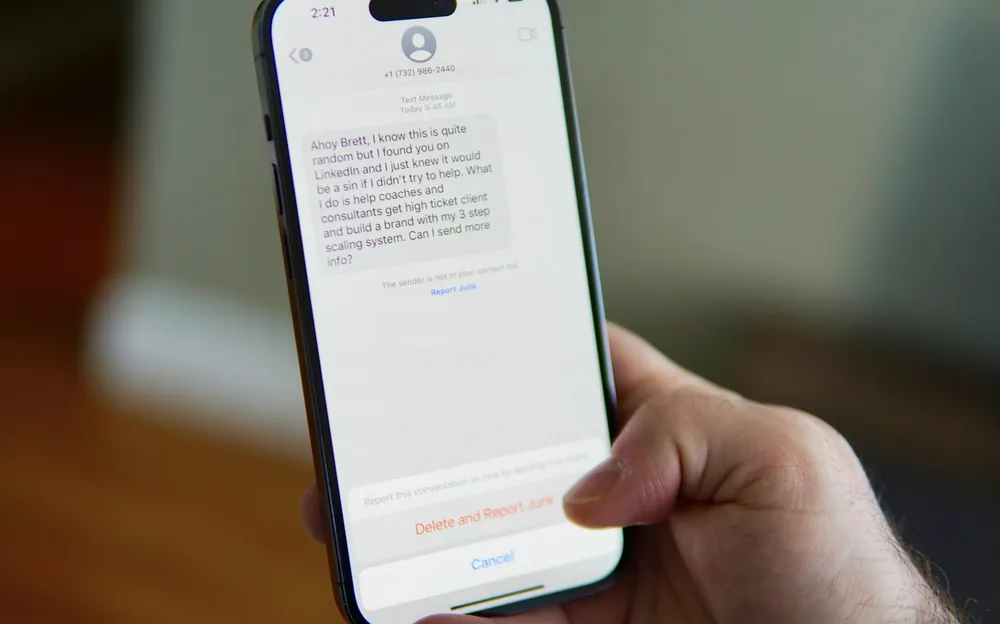
A large transfer or a first crypto purchase is an easy target for scammers: the amount is big, and the person is in a hurry and doing it for the first time. Almost all losses fit into three schemes, and each has signs you can spot before paying.
Below is how they work, how to recognise them and what to check before you transfer money.
Scheme 1. The “triangle”
A scammer stands between two people who do not know each other. He “sells” crypto to one and a product on a classifieds site, say a bicycle, to the other.
The bicycle buyer sends money to your card using details the scammer gave him. You see the payment and send crypto to the scammer. The buyer never gets the bicycle and goes to the police. Your card is in the report.
It also works the other way round. You pay for crypto to a private person’s card, but in fact you are paying for someone else’s purchase. Coins arrive once or not at all, and the questions from the bank and the police come to you as the sender.
- Sign: the payment goes to a private person’s card rather than a company, or the recipient’s name does not match the person you agreed with.
- Consequences: a blocked card and account, a demand to return the money, involvement in an investigation. Since 5 July 2025 Russia has had a law on liability for “droppers” — people whose accounts carry other people’s money.
Scheme 2. Fake managers
Scammers copy a real service’s name, logo and avatar and message you first — “about your order”. Sometimes they join a chat where you already talked to a real manager, from an account whose name differs by one letter.
- Sign: they message you first, rush you, offer a better rate than the website, ask you to move to another chat.
- How to check: write only via links from the official website. You can reach Ruber through @ruberapp_bot, the chat on the order page and [email protected]. We never message first and never ask for SMS codes or your wallet recovery phrase.
Scheme 3. Swapped payment details and addresses
Right before payment a message arrives: “the details have changed, send it here”. It may be a hacked account of a seller or estate agent, a fake PDF invoice or an email from a look-alike address.
In crypto, the wallet address gets swapped — for example, by malware that replaces a copied address with the scammer’s at the moment you paste it.
- Sign: details or an address change at the last moment, often with “don’t call, it’s urgent”.
- How to check: confirm new details through a second channel — by voice or another messenger. Check the whole wallet address, not just the first and last characters. Start a large amount with a small test transfer.
Two more tricks to know
- “A better rate than the market”. The difference has to come from somewhere. Usually the person who believed it pays.
- “Pay to unlock your funds”. The service asks for a “deposit”, a “verification payment” or a “tax” to release money. An honest exchanger never asks for extra payments after the order.
Checklist before a transfer
- You contacted the service yourself, via a link from its official website.
- The money goes to a company using the details from your order, not to a private person’s card.
- The rate and amount are shown before payment and are not “clarified” afterwards.
- The details did not change at the last moment. If they did, you confirmed them through a second channel.
- The wallet address is fully checked, the network is chosen explicitly, the first transfer is a test.
- The deal leaves a document: an order with its number, amount and rate.
How it works at Ruber
You pay in rubles with a card in your name or via SBP, using the details from your order. The rate and fee are shown in the calculator before you pay. The coins go to your wallet, and every deal leaves an order with its number, rate and amount.
You can have your wallet checked for a “dirty” history in advance and free of charge — message the operator before sending anything.
What to do if the money is already gone
- Call your bank right away using the number on the back of your card and report the fraud. The sooner, the better the chance of stopping the transfer.
- Keep the chat, payment details, receipts and transaction IDs.
- File a report with the police.
- If the transfer was in crypto, keep the transaction ID: it shows where the coins went.
This does not guarantee a refund: a blockchain transfer cannot be reversed, and banks do not always return money. That is why checking before you pay matters more than anything you do afterwards.
Frequently asked questions
How do I tell a real website from a copy?
Compare the address character by character: scammers register domains that differ by one letter — for example, a Cyrillic “е” instead of a Latin “e”. Open the site from your bookmarks, not from links in messages.
Is it safe to pay for crypto to a private person’s card?
That is the main sign of the “triangle”. Pay a company using the details from your order.
Someone wrote to me “from Ruber” — what should I do?
Do not reply or follow links. Our contact channels are listed on ruber.exchange. If in doubt, ask via @ruberapp_bot.
Related: 5 signs of a fraudulent exchanger and how to check an exchanger before trading.