Crypto Market Trends: What to Watch
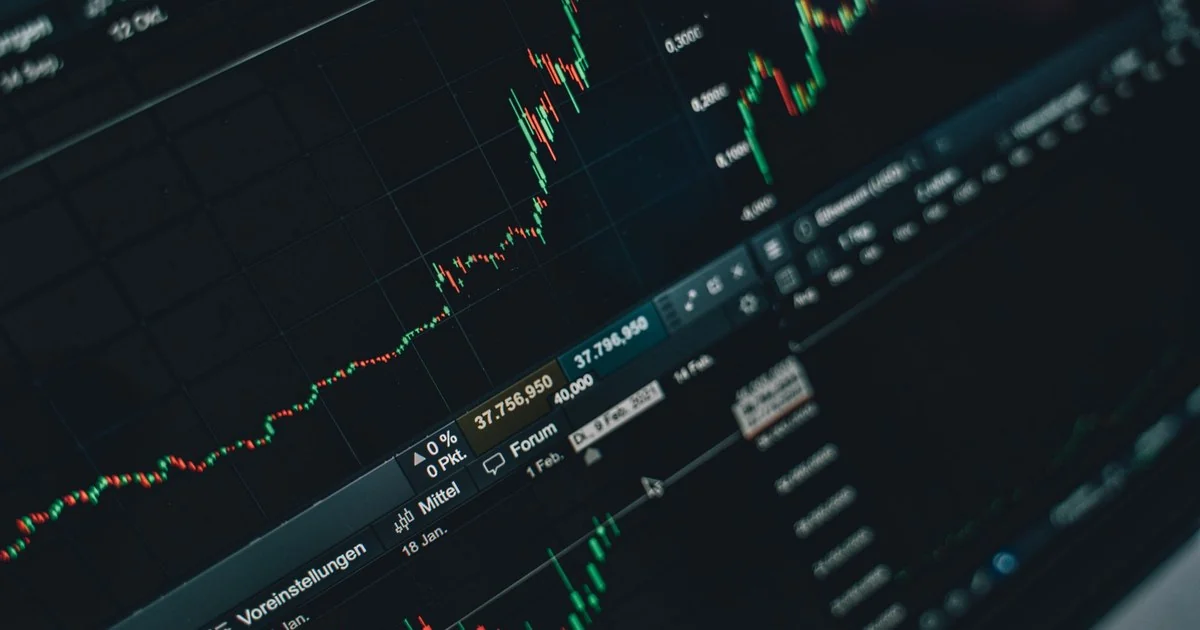
The crypto market changes faster than most other financial markets. Narratives that drove prices a year ago may be irrelevant today. At the same time, a number of principles and indicators remain stable — and these are what to rely on if you follow the market.
Institutional capital and the regulatory climate
One of the most significant structural shifts of recent years is the arrival of institutional investors. Asset managers, pension funds, banks and corporations are increasingly including cryptocurrencies in their strategies.
What this means for the market:
- Flows into spot Bitcoin and Ethereum ETFs are now publicly disclosed and have become an important indicator of demand.
- Regulatory decisions in major jurisdictions directly affect institutional participation.
- The market is becoming more sensitive to macroeconomic cycles, as institutional players manage portfolios with overall risk in mind.
Bitcoin dominance as a sentiment indicator
Bitcoin dominance — bitcoin’s share of the total crypto market capitalisation — is one of the simplest and most informative indicators.
- Rising BTC dominance means capital is moving from altcoins into a “safe haven”. As a rule, this is a sign of a cautious or bearish market.
- Falling dominance signals an “altcoin season”: money flows into riskier assets in search of growth.
Watching this indicator over time gives a picture of the current market phase without analysing hundreds of assets.
On-chain data: what is happening inside the network
The blockchain is public — a unique advantage compared with traditional markets. On-chain analytics shows the real behaviour of participants:
- Active addresses — the number of unique addresses taking part in transactions. Growth means real use of the network.
- Transfer volume — how much value moves through the network over a period.
- Exchange reserves — when large holders withdraw coins from exchanges to cold wallets, this is read as unwillingness to sell.
- Long-term holder behaviour — activity of “old” addresses often precedes market reversals.
Narratives and technology trends
The crypto market often moves from narrative to narrative. Understanding the current “theme” helps explain why some assets grow faster than others:
- DeFi (decentralised finance) — lending, AMMs, yield protocols;
- Layer 2 solutions — scaling Ethereum and lowering fees;
- RWA (real-world asset tokenisation) — bonds, funds and real estate on the blockchain;
- AI tokens — projects that combine artificial intelligence with blockchain infrastructure.
Narratives change, but the principle is the same: capital goes where there is novelty and potential for real use.
Market sentiment: fear and greed
The Fear and Greed Index is an aggregate indicator that combines data on volatility, volumes, social media activity and other parameters.
- Extreme greed has historically preceded corrections.
- Extreme fear has often coincided with good entry points for long-term participants.
This indicator does not predict the price, but it helps understand which psychological phase the market is in.
How to apply this in practice
Following trends is useful not only for traders, but also for those who exchange cryptocurrency from time to time. Understanding the current market phase helps you choose the moment and assess the risks.
Ruber works in every market phase and supports a wide range of directions. Current rates are on the website or on Telegram: @ruberapp_bot.