Crypto Volatility: How to Protect Yourself When Exchanging
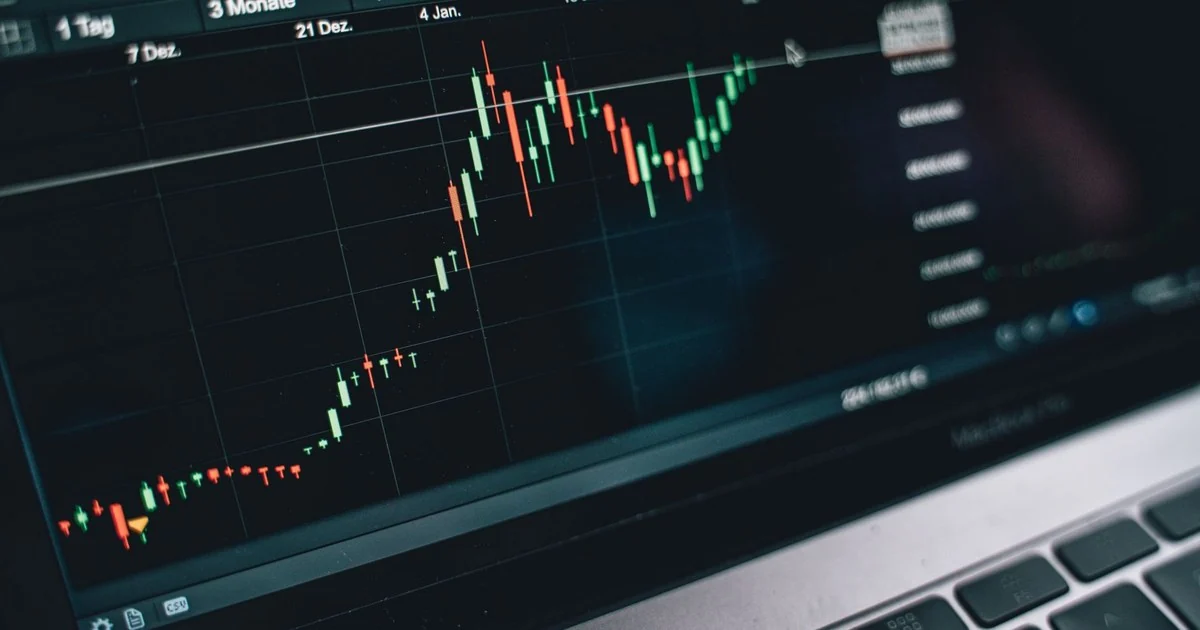
Volatility is how much an asset’s price changes over a given period. For cryptocurrencies it has historically been higher than for traditional financial instruments. The price of bitcoin or ether can move by several percent within hours. For anyone planning an exchange, this raises a practical question: how not to lose money between the moment you decide and the moment the deal is completed.
Where high volatility comes from
Unlike the stock or currency markets, the crypto market runs around the clock, with no days off. The key factors that amplify price swings:
- Relatively small market capitalisation — large trades move the price more than in mature markets.
- Leverage and derivatives — margin trading and futures create cascading liquidations that sharply accelerate moves in both directions.
- News flow and narratives — the market reacts quickly to statements by regulators and large players and to technological events.
- No smoothing mechanisms — there are no price limits, trading halts or other tools used on traditional exchanges.
Why this is risky when exchanging
When you exchange cryptocurrency, time passes between your request and the final execution of the deal. In those minutes the rate can move by several percent. The problem is especially acute:
- when exchanging large amounts;
- in periods of high market activity (right after major news);
- if the exchanger does not fix the rate at the moment the request is created.
Practical ways to protect yourself
Choose exchangers that fix the rate. A reliable service fixes the rate when the request is placed and holds it for a reasonable time. This protects you from market moves while you transfer the funds.
Plan your exchange in advance. If the market is in a phase of extreme movement — a sharp rise or fall — rates are unstable and spreads are wider. Exchanging in a calm period is more profitable.
Split large amounts into parts. For large volumes it makes sense to break the deal into several smaller ones. This reduces the risk of bad timing.
Use stablecoins as a buffer. If you are not ready to exchange yet but want to lock in the current value of your assets, converting to USDT or USDC lets you “park” the funds without exposure to a volatile asset.
Check the liquidity of the direction. Rare trading pairs are less liquid — the spread between buying and selling is wider. When exchanging exotic altcoins, losses on volatility and spread can be significant.
Red flags when choosing an exchanger
- The rate is not fixed — you do not know at what rate the deal will happen.
- There is no information about how long a request takes to execute.
- Reserves for a direction are declared “unlimited” without confirmation.
- There is no information about a licence or regulatory status.
Volatility is not always the enemy
High volatility creates risks, but also opportunities. Those who do not trade actively but simply convert assets only need to choose the right tool and a proven partner — then short-term market swings stop being a serious threat.
Ruber fixes the rate at the moment the request is created. To exchange in any market conditions, message us on Telegram: @ruberapp_bot.